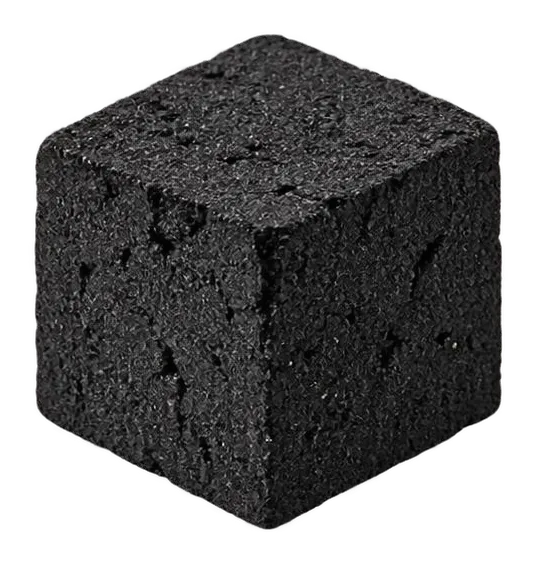
Short answer: Importing private-label shisha charcoal from Indonesia takes five steps: product brief, sample evaluation, order confirmation, production with verification, and shipment planning. The approved reference sample defines what is produced.
Indonesia is one of the main origins of coconut shell charcoal for shisha. For brand owners, the safest route is a structured process in which every commercial decision rests on an approved sample.
1. Product brief
Start with a written brief: application (shisha or barbecue), target specification, cube size, packaging format, artwork ownership, estimated volume and destination port. A clear brief lets the factory recommend the right grade instead of guessing.
2. Sample evaluation
Evaluate the sample both in the lab and in real use. Once you are satisfied, the approved sample becomes the reference sample for production.
3. Order confirmation
Agree the quotation, quantity, artwork and payment terms in writing. For private label, artwork is approved before printing (see Private label).
4. Production and verification
Confirm the production schedule and the inspection requirements: which parameters are checked, by whom, and what documentation accompanies the batch.
5. Shipment planning
Charcoal can be subject to dangerous-goods rules for sea freight (UN 1361, Class 4.2), depending on the product and its test results. Carrier acceptance, packaging and shipping documents must be confirmed for each shipment. Coconut shell charcoal falls under HS heading 4402, and your customs broker should confirm the exact subheading for your destination.
Questions to ask any supplier
- Are the specifications targets or test results, and on which basis?
- Which binder is used, and is it declared?
- What checks are done before a batch is released?
- Who approves artwork and packaging materials?
- What documents are provided for customs and the carrier?
Aero Charcoal follows this process for every order. Request a sample to start with your brief.